James Hardie Site Prep & Utilities: The Dallas Owner’s Guide
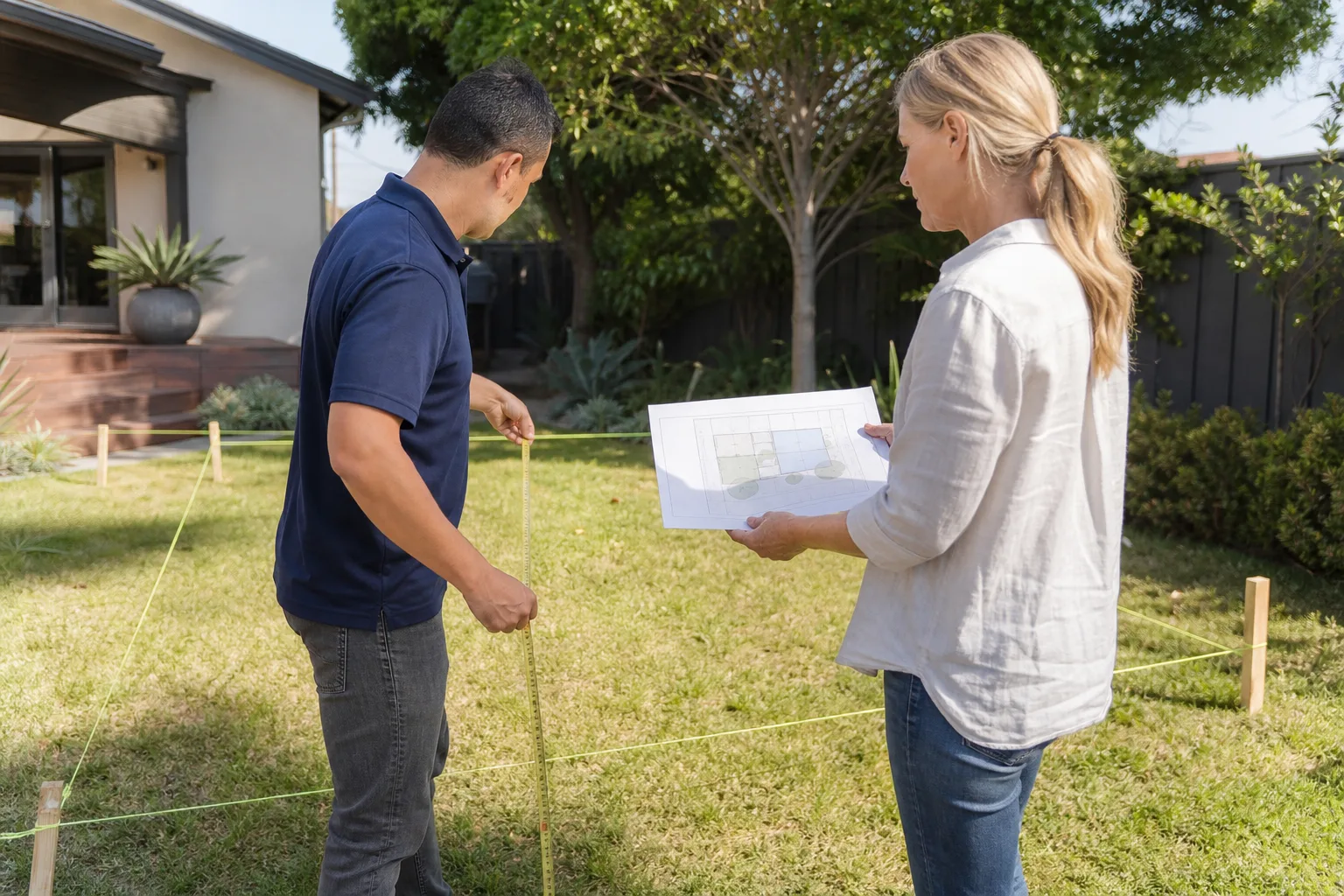
Site prep and utilities for a James Hardie installation in Dallas typically runs $2,800 to $7,500 installed, depending on your lot conditions, utility distances, and whether we’re dealing with clay soil, slope, or an existing slab. Most site prep jobs take one to three days once permits clear. You usually discover this stage failed long after the siding or trim is up: a window binds, a panel pulls away at the bottom, or water pools against the foundation every time it rains, and you trace it back to ground that was never properly graded, drainage that was never run, or a utility stub that was set at the wrong depth. That’s the part nobody sees until something goes wrong.
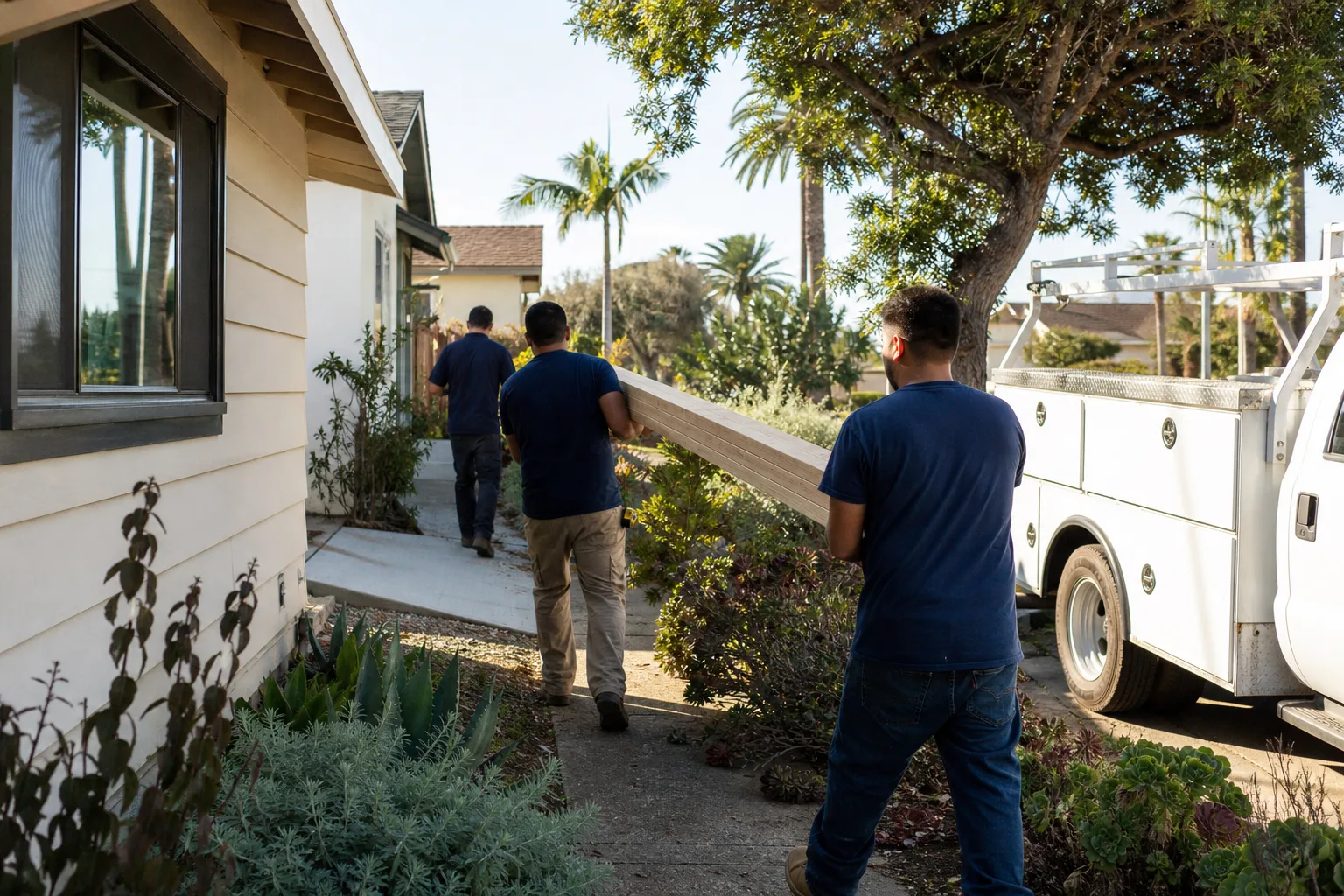
We stock the common James Hardie-compatible site prep materials on our trucks in Dallas: galvanized flashing, PVC trim board (for the areas where Hardie product meets grade), drip edge, and the drainage components needed to keep a Hardie installation off wet ground. We’re an independent service provider, not affiliated with James Hardie, but we install against their published installation requirements every time.
Key takeaways:
- Site prep & utilities for James Hardie work in Dallas: $2,800 – $7,500, most jobs done in 1 – 3 days
- Written price before we start, every time, no change orders at the door
- The 365-Day Done Right Promise applies: if it’s not right, we come back
- Live person answers at (361) 204-4652
Which James Hardie Models This Applies To
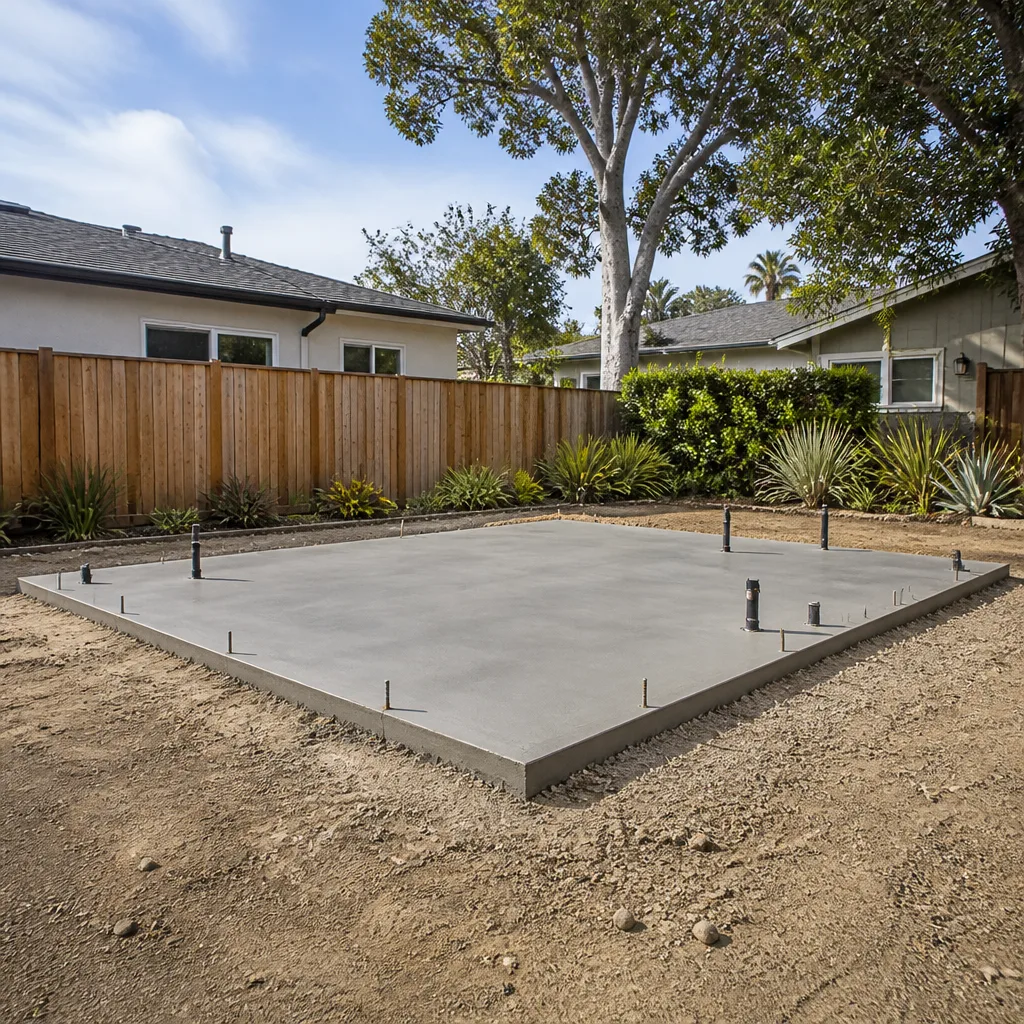
Site prep and utilities are not tied to one specific James Hardie product line, but they matter differently depending on what you’re installing. HardiePlank lap siding, HardiePanel vertical siding, HardieTrim boards, and HardieSoften soffit all share one requirement: a minimum 6-inch clearance between the bottom edge of the siding and finished grade. That clearance is a code and warranty issue in Dallas, where expansive clay soil heaves seasonally. If the ground swells up against the bottom course, the siding wicks water and fails early. HardieBacker board for tile has a different set of prep requirements entirely: substrate flatness, waterproofing, and fastener spacing.
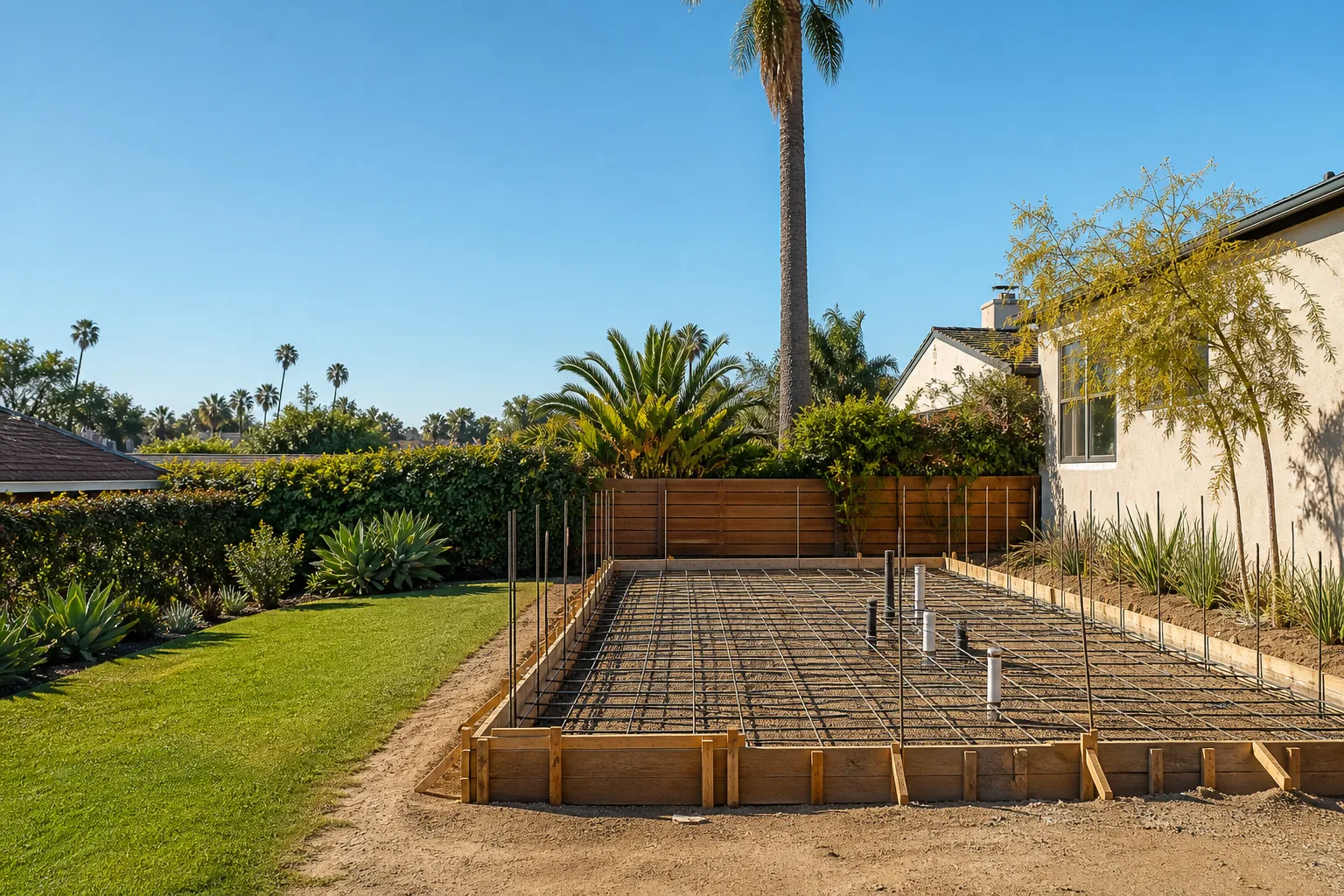
Where homeowners get tripped up is thinking “site prep” means just leveling dirt. For a James Hardie exterior, proper site prep also means grading that pulls water away from the foundation, drainage where downspouts discharge, and making sure any gas, water, or electrical stubs penetrations are sealed correctly before siding goes up. If you’re doing an ADU or garage conversion in Dallas with Hardie exterior and a kitchen or bath inside, utility placement is half the job. The other half is keeping water away from the bottom of the wall. If you’re unsure what you have, take a photo of the product label or measure a full panel and we’ll identify it over the phone.
Signs Your James Hardie Site Prep & Utilities Is Failing
- Water pooling at the foundation after rain. The grading wasn’t sloped away from the structure, or it has settled over time. In Dallas clay, this is common within two to three years of a rushed job. Standing water against a Hardie wall is the beginning of wicking, staining, and eventually rot in the framing behind it.
- Bottom of siding is stained, swollen, or soft. The required 6-inch clearance to grade has been lost, either because the ground rose or the siding was set too low. This voids the James Hardie warranty if left uncorrected. The fix is regrading and often replacing the bottom course.
- Downspouts dump water against the slab. A utility and drainage problem, not a siding problem, but it kills Hardie product from the bottom up. The correct fix routes discharge to a proper drain or at least 5 feet away from the foundation.
- Utility penetrations (water, gas, electric) are leaking or unsealed. Every penetration through Hardie siding needs an approved flashing and sealant detail. When it fails, water runs inside the wall cavity. You’ll see staining around the penetration from the interior, or peeling paint outside.
- The wall doesn’t stay straight, or panels pull away at corners. This usually points to inadequate blocking, bad substrate flatness, or a footing issue that should have been caught during site prep. Hardie panels don’t flex to hide a wavy wall; the problem shows through.
Replacement Cost & What’s Included
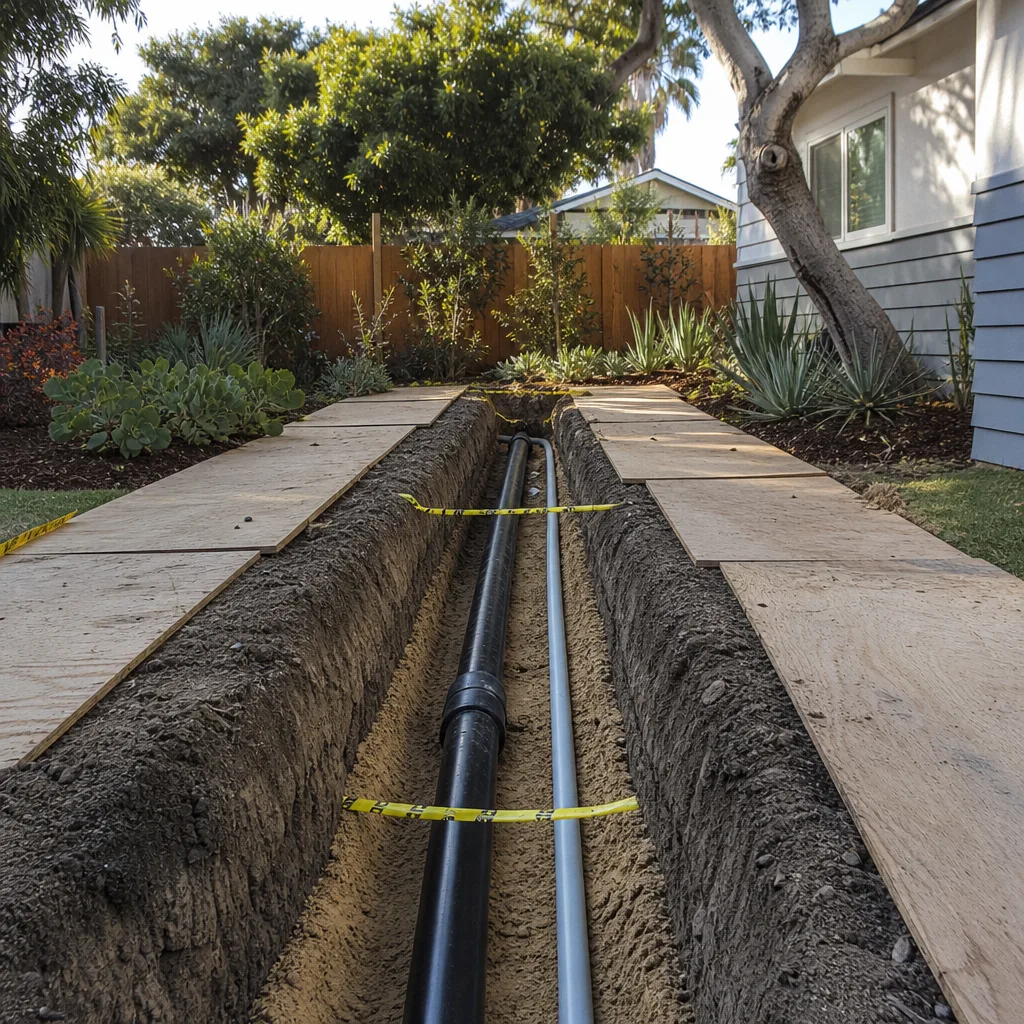
For a typical Dallas property, site prep and utility work to support a James Hardie installation runs from $2,800 on the simple end (regrading, one drainage run, basic sealing) up to $7,500 when we’re trenching utilities, correcting slope on an awkward lot, replacing failed drainage, or dealing with expansive clay that needs fill and compaction. New utility stubs for an ADU with a kitchen and bath add cost depending on distance from the main service and whether you’re going overhead or underground.
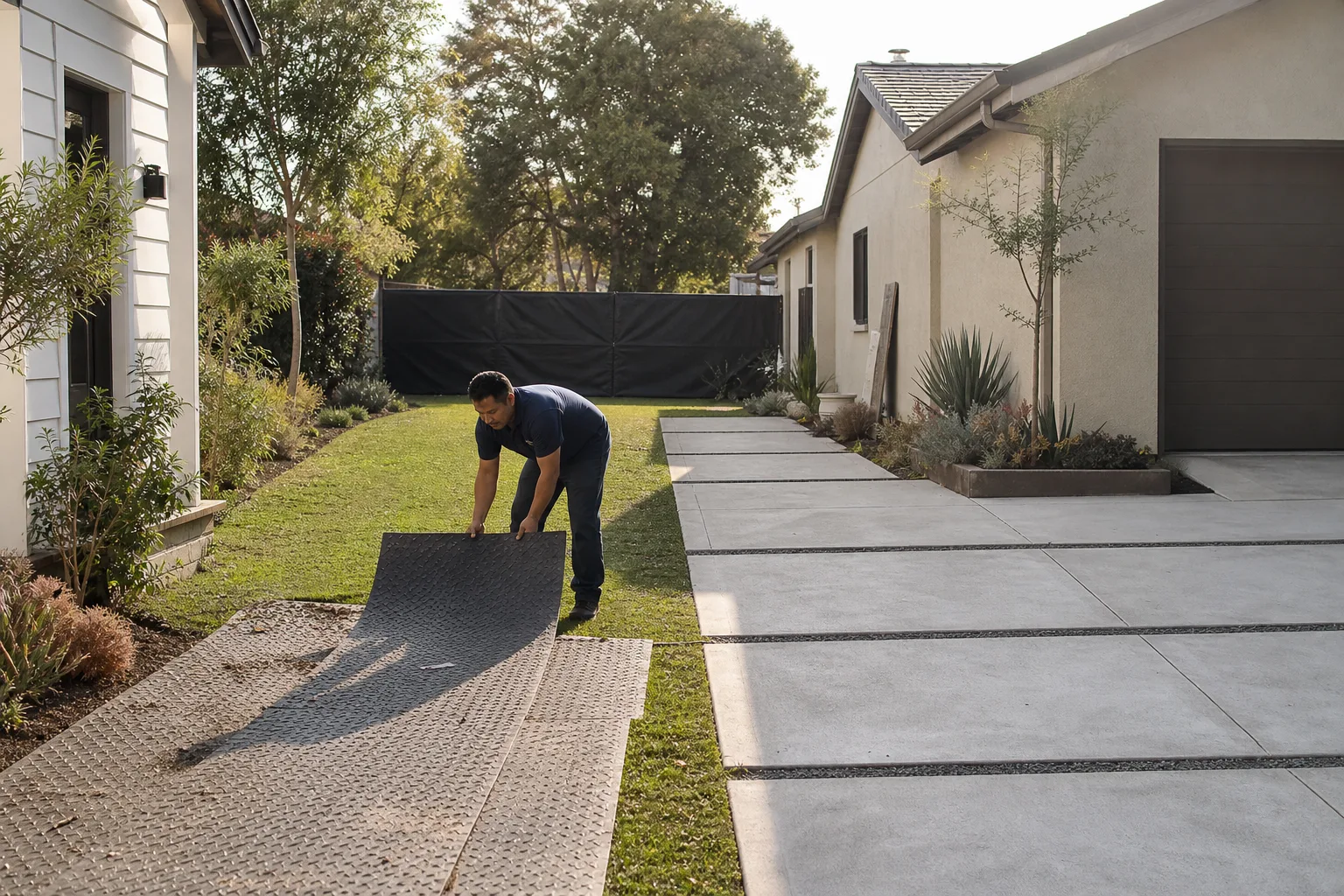
Every quote is a written price before we start, not a range. The number includes materials, labor, haul-away of spoils, and the workmanship warranty. We don’t do change orders at the door unless you change the scope. Russ Delmar walks the finished site prep himself before the invoice goes out, and the 365-Day Done Right Promise applies to any site prep or utility work we do. If it’s not right within a year, we come back and make it right at no charge.
DIY or Call Us?
A homeowner can safely check grade and drainage themselves: watch where water goes during a heavy rain, look at the clearance between the soil and the bottom edge of your Hardie siding, and note whether downspouts dump against the foundation. Those observations will tell you if you have a problem. The fixing part is different. Regrading with clay soil usually means bringing in fill, compacting, and re-establishing a proper slope. Utility work means potentially digging trenches around existing lines. And if we’re talking gas or electrical stubs, that’s a licensed-trade job, full stop. The most expensive mistakes we see in Dallas are DIY grading jobs where water still runs toward the house, just slower, and the homeowner spends another two years with a wet foundation before calling.
If you suspect your site prep or utilities are failing, call (361) 204-4652 for a free estimate. We’ll look at it, tell you what actually needs to happen, and put a number in writing.
FAQs
Done correctly in Dallas, site prep and drainage should hold for 20 to 30 years before needing real attention, though you’ll want to touch up grade in low spots every few years. The exception is clay-heavy lots, which heave and settle seasonally and may need a re-grade touch-up within 5 to 10 years. Call (361) 204-4652 if you’re seeing pooling or settling.
Often yes. If the issue is grade and drainage, we can re-contour the soil and route water away without removing Hardie product. If the bottom course has already wicked water or lost clearance, that course typically needs replacement as part of the fix. We’ll know after a site visit.
Most site prep and drainage corrections in Dallas take one to three days, assuming permits are already in hand. Trenching new utility stubs or correcting a significant slope adds time. You’ll get a defined arrival window and a written schedule before we start.
Yes. We stock galvanized and PVC flashing, drip edge, PVC trim board, drainage pipe, and the sealants specified for Hardie installations on our trucks, so we aren’t running back and forth to pick up parts mid-job. For Abodu, Cover, and Dvele projects we carry the same prep stock, since those builds use similar exterior details.
Written by Russ Delmar, Owner, Lodgewick ADU Dallas at Lodgewick ADU Dallas, serving Dallas and nearby areas.